Why Sustainable Lamps Make the Best Corporate Diwali Gifts in 2026
Share
I'll be real with you — I used to think corporate Diwali gifting was just one of those things you had to do. You know the drill. Someone from HR or admin sends an email in September saying "we need to finalise Diwali gifts for clients," and then begins the annual scramble of picking between dry fruit boxes, mithai hampers, or if the budget's decent, maybe a branded pen set.
And look, there's nothing wrong with any of that. But let's also be honest — when was the last time you actually remembered a corporate Diwali gift you received? I'm guessing it's been a while.
That's kind of the problem.
So what actually goes wrong with corporate gifting?
It's not that companies don't spend money. Some of them spend a LOT. The issue is that everyone ends up buying more or less the same stuff. Your client gets 15 dry fruit boxes from 15 different companies. They can't even tell which one came from you.
And then there's the waste angle, which honestly I didn't think much about until a few years ago. All that plastic packaging, the thermocol inserts, the gift wrapping that goes straight to the bin — it adds up. Especially during Diwali week when cities are already dealing with way more waste than usual.
I started wondering — what if we could give something that people actually kept? Something that sat on their desk for months, not something that got passed on to their watchman by the end of the week?
That's how I started thinking about lamps.
Why lamps, though?
Okay so this might sound obvious since we make lamps, but hear me out.
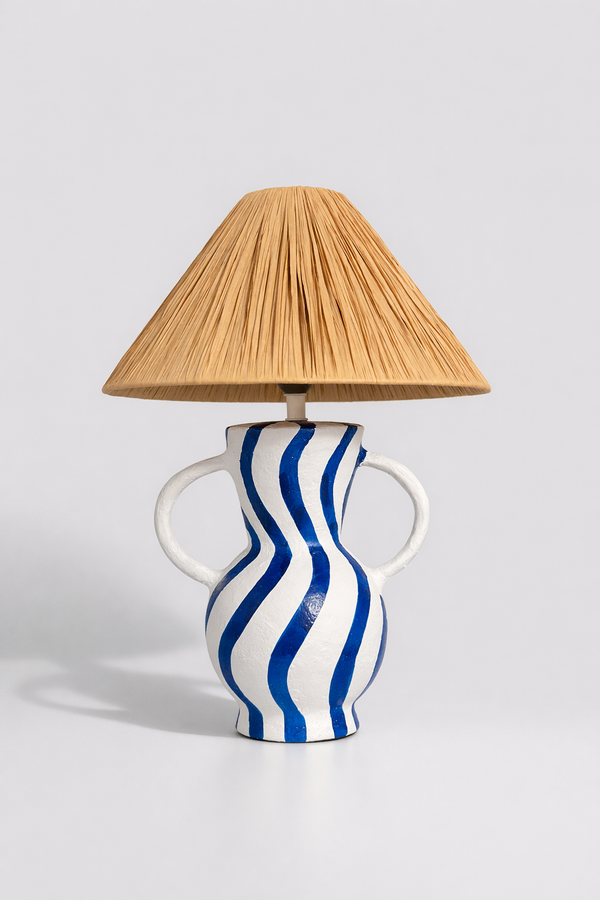
Diwali is literally the festival of lights. Gifting a lamp during Diwali is probably the most culturally fitting thing you can do. But beyond that, a good lamp is genuinely useful. It's not going to expire, nobody's allergic to it, and it works whether someone's 24 or 64.
I've seen this happen with our business clients — they send out handcrafted lamps and suddenly they're getting WhatsApp messages from people saying "hey that lamp is beautiful, where'd you get it?" That's your brand getting talked about without a single ad rupee spent.
Compare that with sweets. Nobody's texting you about the kaju katli box. (Sorry, it's true.)
The sustainable part actually matters now
A couple of years ago, saying "sustainable" in a business context got you polite nods but not much else. That's changed pretty fast.
These days, especially with bigger companies, there's real pressure to show that your values aren't just on the website. Clients notice. Employees notice. And honestly, it's just becoming the baseline expectation for companies that want to be taken seriously.
When your Diwali gift is made from responsibly sourced materials, uses minimal packaging, and is built to last — that says something about your company without you having to say a word. It's not about greenwashing or making a big show of it. It's just a quiet way of showing you thought about it.
But does it make sense for bulk orders?
This is the question I get a lot from procurement teams, and it's a fair one. Here's what I usually tell them:
Custom sustainable lamps aren't as expensive as people assume. Yes, a single artisan lamp costs more than a box of sweets. But when you're ordering 50, 100, or 500 units, the per-unit cost comes down quite a bit. Most of our business clients end up spending roughly the same as they would on a "premium" traditional gift — except they get something that actually makes an impression.
The other thing people worry about is lead time. And yeah, this is a real consideration. If you're reading this in March or April, you're in a great spot — plenty of time to get samples, decide on customisation, and place orders without any rush premium. If you're reading this in October, well... you might still get something done, but you'll have fewer options and it'll cost more.
My honest advice? Don't wait. Every single year we get panicked emails in late September from companies that "meant to order earlier." Just get it sorted in advance.
What customisation actually looks like
When I say "custom," I don't just mean slapping a logo on a standard product. (Though we can do that too, if that's what you need.)
What usually works best is something more subtle:
- Picking lamp shades in your brand colours — so it feels connected to your company without being in-your-face about it
- Custom gift boxes with a small card or note inside — something personal, not a generic "Season's Greetings" template
- Choosing a specific design that matches the aesthetic of your brand — minimal for tech companies, warmer tones for hospitality brands, that kind of thing
- For larger orders, sometimes clients even co-design limited edition pieces, which is pretty cool
The point is, it should feel thoughtful. When someone opens that box and it clearly wasn't a last-minute bulk purchase, it lands differently.
A quick example of how this plays out
Let me paint the picture. Say you run a tech consultancy and you've got about 150 clients you gift to every Diwali. Last year, everyone got the same imported chocolate box. Nice, sure. Forgotten by November.
This year, instead, you send a handcrafted wooden lamp in a linen-wrapped box with a hand-written note. The lamp has a warm glow, sits nicely on a desk, and the packaging gets reused because it's actually good-looking.
Now that client has your gift on their work desk. For months. Every time they switch it on, there's a tiny little moment of — "oh yeah, that's from those guys." Their colleague walks by and asks about it. Your name comes up.
That's not something you can buy with Google Ads. But you can create it with a Rs 800-1200 gift that you actually put some thought into.
Some practical things to figure out before ordering
If you're thinking about going this route, here are the things I'd sort out early:
- Your budget per unit — be clear about this upfront so you don't waste time looking at options that don't fit
- How many you need — even a rough number helps. 50 and 500 are very different conversations
- Whether you want customisation — if yes, add at least 2 extra weeks to your timeline
- Where they need to be delivered — some companies want everything shipped to one office, others want individual deliveries to client addresses (both are doable but pricing changes)
- Your brand guidelines — if you have specific colours or logo rules, share those early so the design team isn't guessing
Nothing groundbreaking, but you'd be surprised how often people reach out wanting to order 200 custom lamps "by next week" with zero details figured out. Save yourself the stress.
Want to explore bulk orders for Diwali 2026?
We work with businesses across India — orders start at 10 units. No catalogues to flip through, just a conversation about what would work for your company.
Talk to Us About Business GiftingLook, I know this is a blog on our own website, so take it with the appropriate grain of salt. But I genuinely think the corporate gifting space in India is overdue for a rethink. Most of us keep doing the same thing every year because it's easy, not because it works.
If you've ever felt like your company's Diwali gifts are just... going through the motions, maybe try something different this time. Doesn't have to be our lamps specifically — though obviously I think they're great — but just something that makes the person on the receiving end feel like you actually gave it a moment's thought.
That's really all good gifting is. A little bit of thought.